
Unraveling the Mysteries: Glimpsing into the Supernatural Realm, Discover the Truth Behind Dream Catchers
The Cultural Origins and Symbolism of Dream Catchers
For centuries, dream catchers have fascinated people around the world with their intricate designs and captivating symbolism. These enchanting Native American creations have sparked curiosity and, at times, controversy, leading some to question their cultural origins and even suggest a sinister connection. However, it is essential to demystify the misconceptions surrounding dream catchers and understand their true significance.
Dream catchers have their roots deeply embedded in Native American culture, particularly among the Ojibwe people. Legend has it that a spider woman, Asibikaashi, would weave her web above the sleeping area of children to protect them from bad dreams and evil spirits. The web would trap nightmares, while good dreams would find their way through the center, descending gently onto the sleepers below. This beautiful story reflects the dream catcher’s purpose as a spiritual tool, promoting restful nights and positive energies.
To debunk any associations with demonic forces, it is crucial to recognize that dream catchers do not possess any supernatural powers or malevolent intentions. They are simply a symbol of protection and a reflection of Native American beliefs and spirituality. Just as any other cultural artifact, dream catchers should be respected and admired for their cultural significance rather than feared or misinterpreted.
In conclusion, dream catchers are an enchanting and meaningful creation stemming from Native American culture. We must embrace the knowledge of their cultural origins to appreciate their beauty and symbolism fully. So next time you come across a dream catcher, take a moment to examine its intricate details and appreciate the cultural significance it holds.

The Role of Dreams in Indigenous Cultures and Beliefs
In many Indigenous cultures around the world, dreams hold a profound significance and play a pivotal role in their beliefs and spiritual practices. While there is a wide diversity of beliefs and traditions among these cultures, dream interpretation is often seen as a way to connect with ancestors, receive guidance from the spiritual realm, and gain deeper insight into one’s life purpose.
Unlike the misinterpreted notion that dream catchers are demonic, they are, in fact, powerful symbols deeply rooted in Indigenous cultures for centuries. These intricately woven webs are traditionally believed to capture both positive and negative dreams, while allowing the positive ones to pass through the center hole and gently slide down the feathers to bless the sleeper. On the other hand, negative dreams are caught and tangled within the web, eventually dissolving with the morning light. Dream catchers serve as spiritual tools, fostering peaceful and restful sleep, as well as acting as a visual reminder of the interconnectedness of all life.
- Indigenous cultures view dreams as a bridge between the physical and spiritual realms.
- They believe that dreams can provide insights from ancestors and the spirit world.
- Dream catchers are symbols of protection and positivity, not demonic objects.
- They promote restful sleep by filtering dreams and capturing negative energies.
Understanding the role of dreams in Indigenous cultures helps dismantle misconceptions surrounding dream catchers. These sacred objects represent cultural heritage, spirituality, and the profound belief in the power of dreams. Instead of harboring fear or misunderstanding, let us embrace the rich tapestry of Indigenous wisdom and recognize the beauty and significance dreams hold in their traditions.
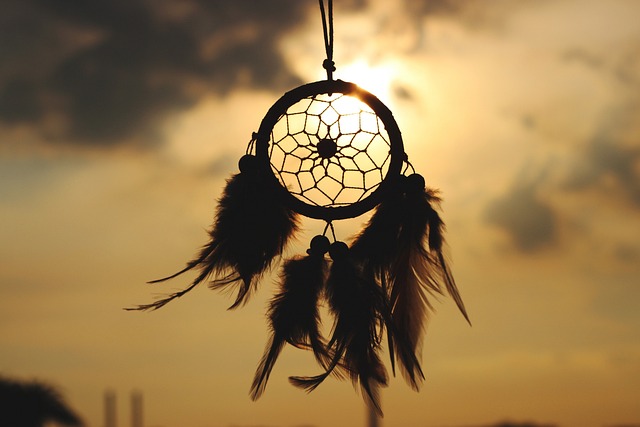
Debunking the Misconceptions: Are Dream Catchers Demonic?
Over the years, dream catchers have become a topic of controversy and misconception. Many people hold the belief that these beautiful, intricate creations are somehow linked to the demonic or supernatural. However, it’s time to demystify dream catchers and separate fact from fiction.
1. Cultural Significance: Dream catchers originate from Native American tribes, particularly the Ojibwe people. They hold deep cultural and spiritual significance, invoking positive energy and warding off negative influences. The concept behind dream catchers is rooted in nature and the belief that they help capture and filter out bad dreams, allowing only the good ones to pass through. It’s crucial to understand that their purpose is purely based on spirituality and not connected to anything demonic.
2. Symbolism: Dream catchers prominently feature a circular shape with intricate woven patterns and suspending feathers. Their circular form represents the interconnectedness of life and the unity of all things. The feather hanging below symbolizes breath, air, and the essential element of life. Each component of dream catchers holds symbolic meaning grounded in nature and the cycle of life, rather than anything sinister.
3. Personal Beliefs: While dream catchers may not align with everyone’s personal beliefs, it is essential to respect cultural diversity and different ideologies. Simply because something is unfamiliar or associated with spirituality does not make it demonic. Instead, we should appreciate the rich history and cultural significance behind dream catchers while acknowledging the power of diverse beliefs and practices.

Analyzing the Spiritual Significance of Dream Catchers
Dream catchers have long been a source of intrigue and fascination for people around the world. While some embrace them as beautiful ornaments that bring peace and tranquility, others question their origins and question whether they have any spiritual significance at all. In this post, we aim to demystify dream catchers and explore their spiritual essence, dispelling any notions of them being demonic.
Cultural Origins:
Dream catchers trace their roots back to Native American tribes, particularly the Ojibwe people. They fashioned these intricate webs from natural materials like sinew and willow hoops, attaching feathers and beads to capture bad dreams while allowing good ones to pass through. It is essential to understand that dream catchers hold profound cultural and spiritual significance for Indigenous communities, symbolizing protection and connection to the spirit world.Symbolism and Spirituality:
Dream catchers are imbued with symbolism that goes beyond their physical appearance. They represent the interconnection between all living beings and the natural world. The web-like pattern signifies the intricate tapestry of life, where each thread represents a different path or journey. As dreams are believed to be messages from the spiritual realm, dream catchers act as gateways, filtering out negativity and allowing positive energy to flow through, ultimately promoting a sense of harmony and well-being in one’s waking life.- Empowerment and Self-Reflection:
Beyond their spiritual significance, dream catchers can serve as powerful tools for personal growth and self-reflection. Hanging a dream catcher near your bed can act as a visual reminder to pay attention to your dreams and the messages they may hold. By embracing the symbolism and honoring the cultural origins of dream catchers, individuals can embark on a journey of self-discovery, connecting with their inner selves and the spiritual realm, regardless of any notions of them being demonic.
In conclusion, dream catchers are far from being demonic entities; they are ancient symbols rich in cultural heritage and spiritual significance. By understanding their origins and the underlying symbolism, individuals can appreciate the beauty and positivity they bring to their lives. So, embrace the charm of dream catchers, hang them with reverence, and allow their intricate webs to weave a tapestry of dreams that guide you towards inner peace and spiritual growth.
Understanding the Modern Interpretations of Dream Catchers
There has been a growing curiosity and confusion surrounding the modern interpretations of dream catchers. Amidst various speculations, one recurring question that seems to linger in people’s minds is whether dream catchers have any demonic connotations. Let’s dive into this intriguing topic and debunk the myths around these mystical creations.
The Origins of Dream Catchers
To understand the modern interpretations of dream catchers, we must first explore their fascinating origins. Dream catchers originated from Native American culture, specifically the Ojibwe tribe. Traditionally, they were crafted using natural materials like feathers, beads, and twigs, with intricate web designs woven in the center. The primary purpose of these enchanting objects was believed to be the protection of the sleeper’s dreams.
Symbolism and Spiritual Significance
In Native American culture, dream catchers held immense symbolism and spiritual significance. The intricate web inside the dream catcher was thought to catch and filter out negative dreams, allowing only positive ones to enter the dreamer’s mind. The feathers attached to the bottom were believed to bring good luck and positive energy. It is important to note that dream catchers were never intended to have any demonic association, but rather they were seen as powerful tools for spiritual well-being and protection.
Modern Interpretations
In today’s society, dream catchers have gained popularity beyond Native American culture. They are often seen as decorative pieces, symbolizing beauty, strength, and connection to nature. Many individuals choose to display dream catchers in their homes, not only for their aesthetic appeal but also as a reminder of the importance of good dreams and positive energy. These modern interpretations have stripped away any negative connotations, focusing on the beauty and positive aspects of dream catchers.
In conclusion, it is crucial to separate fact from fiction when it comes to the interpretation of dream catchers. While some may misconstrue their origins and purpose, there is no evidence to support claims of demonic associations. Dream catchers continue to hold their historic significance as spiritual tools of protection and positivity, bridging cultures and bringing beauty into our lives.
Tips to Identify Authentic and Ethically Sourced Dream Catchers
Authentic and ethically sourced dream catchers are beautiful and meaningful creations that have been an integral part of Native American culture for centuries. They are believed to filter out bad dreams and only allow good dreams to pass through, bringing comfort and protection to those who possess them. However, there are often misconceptions surrounding dream catchers, leading to unfounded claims and speculation.
To demystify these claims, it is important to understand the true essence of dream catchers. They are not demonic or associated with any negative forces. On the contrary, they symbolize unity, harmony, and the connection between oneself and the spiritual realm. By following these tips, you can confidently discern the authenticity and ethical sourcing of dream catchers:
- Research the Supplier: Prioritize purchasing dream catchers from reputable and trusted artisans or Native American-owned businesses. These individuals have a deep understanding of the cultural significance and craftsmanship behind dream catchers.
- Examine the Materials: Authentic dream catchers are traditionally made using natural materials, such as willow hoops, sinew, feathers, and beads. Avoid products that use synthetic or artificial components as they do not uphold the essence of an ethically sourced dream catcher.
- Support Fair Trade Practices: Look for suppliers who support fair trade initiatives, ensuring that the artisans receive fair wages for their work. This contributes to a sustainable and ethical economy, allowing communities to preserve and pass down their cultural practices.
- Understand the Cultural Context: Educate yourself on the cultural significance of dream catchers to appreciate their true meaning. Acknowledge and respect the Native American heritage they represent by sharing this knowledge with others.
By adhering to these tips, you can confidently embrace the beauty and spirituality of a genuine dream catcher while respecting the cultural roots associated with it. Remember, dream catchers are not a source of negativity, but rather a symbol of protection and positivity.
Respecting Indigenous Cultures: Appropriation vs. Appreciation of Dream Catchers
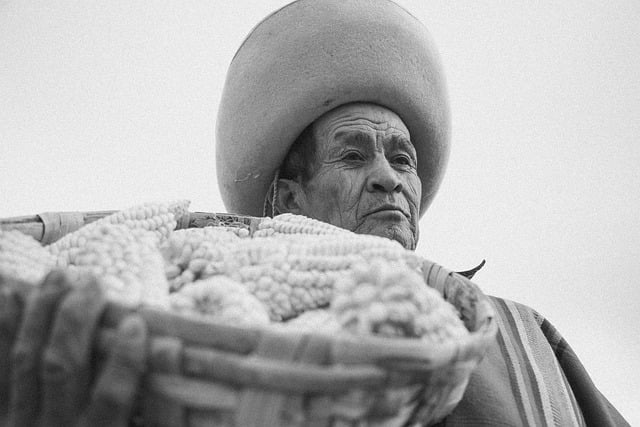
As an emblem deeply ingrained in Native American heritage, the dream catcher carries profound spiritual significance for Indigenous cultures. It is crucial to distinguish between appropriation and appreciation when it comes to this sacred symbol. Appropriation entails the disrespectful and ignorant use of dream catchers, often in an inaccurate and commercialized manner. On the other hand, appreciation involves seeking genuine knowledge about the origin, symbolism, and cultural significance of dream catchers, while respecting the rights and traditions of Indigenous communities.
<p>Appropriation of dream catchers can occur when they are mass-produced, marketed as mere decorations without any understanding or respect for their cultural context. It is important to recognize that dream catchers are not trendy accessories or decorative pieces to be used at will. Instead, they are revered spiritual tools crafted to protect against negative energies and ensure peaceful dreams. By commodifying this sacred item without acknowledging its cultural origins, we dishonor Indigenous traditions and <a href="https://worldofspiritualism.com/nofap/porn/why-quitting-porn-is-overrated-the-surprising-benefits-of-embracing-your-sexual-desires/" title="Why Quitting Porn is Overrated: The Surprising Benefits of Embracing Your Sexual Desires">perpetuate harmful stereotypes</a>.</p>
<p>Appreciation, however, embraces a more profound approach to understanding dream catchers. Educating oneself about the history behind the creation and spiritual beliefs associated with them is a significant step in the right direction. Genuine appreciation extends beyond mere knowledge, ensuring that dream catchers are acquired from reputable sources that collaborate with Indigenous artisans. By supporting Indigenous artists and purchasing authentic, responsibly-made dream catchers, we can actively contribute to preserving the cultural heritage and economic opportunities of Indigenous communities.</p>
<ul>
    <li><b>Respect the sacredness:</b> Treat dream catchers as religious symbols and respect their spiritual significance.</li>
    <li><b>Authenticity matters:</b> Purchase dream catchers only from reputable sources that collaborate with genuine Indigenous artists.</li>
    <li><b>Spread awareness:</b> Educate others about the true meaning behind dream catchers to dispel misconceptions and promote cultural sensitivity.</li>
</ul>
<p>By cultivating a deeper understanding of dream catchers and honoring Indigenous cultures, we can appreciate their beauty and significance without committing cultural appropriation.</p> In conclusion, while dream catchers have been shrouded in mystery, they hold no demonic power. Their purpose is to bring positivity and peaceful dreams. So, sleep tight and let go of any fears surrounding these beautiful ornaments.
Get our latest guides, news, and insights highlighted in your Google Search & AI Overviews.