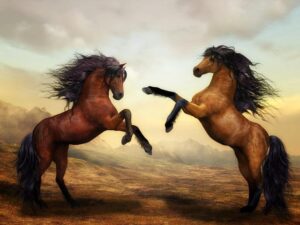
Enter the fascinating world of the equine mind as we delve into the question: Do horses dream? Join us in exploring the mysteries of the equine imagination.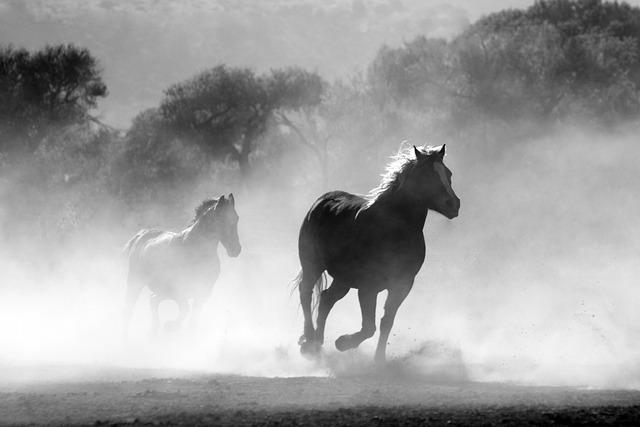
Unveiling the Mystery of Equine Dreams
Have you ever wondered what goes on inside a horse’s mind while they sleep? The mystery of equine dreams has captivated horse enthusiasts for centuries. While we may never truly know for sure, there are some intriguing theories and observations that shed light on this fascinating topic.
It is believed that horses do indeed dream, much like humans and other mammals. Research has shown that they experience Rapid Eye Movement (REM) sleep, which is when dreaming typically occurs. During this stage, their brain activity is similar to that of when they are awake, suggesting that they are indeed dreaming.
Some common behaviors exhibited by horses while they sleep include:
- Whinnying or neighing
- Kicking or twitching
- Moving their ears or tail

The Science Behind Horse Sleep Patterns
Horses, much like humans, go through different stages of sleep that are crucial for their overall well-being. Understanding the science behind their sleep patterns can give us a glimpse into the mysterious world of equine dreams.
During their sleep, horses exhibit two main types of rest: REM (rapid eye movement) sleep and non-REM sleep. In REM sleep, their brain activity resembles that of humans, leading to the question: do horses dream? While it’s still a topic of debate among researchers, studies have shown that horses do indeed experience dreams during REM sleep.
Interestingly, horses have the ability to sleep both standing up and lying down, utilizing a unique mechanism called the stay apparatus in their legs to do so. This adaptation allows them to rest while still being alert to potential dangers in their surroundings. Overall, is a fascinating subject that sheds light on the intricate inner workings of these majestic animals.
Interpreting Behaviors to Understand Horse Dreams
When trying to decipher whether horses dream or not, it is essential to understand their behaviors and body language. By observing your horse closely, you can gain valuable insights into their dream patterns and understand what goes on in their equine imagination. Here are some key behaviors to look out for:
- Whinnying and twitching: If your horse is making soft whinnying noises, twitching their ears or tail, they may be experiencing a dream-like state. These subtle movements can indicate that they are processing images or scenarios in their sleep.
- Kicking or pawing: Horses that kick or paw at the ground while lying down could be acting out their dreams physically. This behavior suggests that they are experiencing a particularly vivid dream that elicits a physical response.
- Rapid eye movement: Just like humans, horses also exhibit rapid eye movement (REM) during their dreaming phase. If you notice your horse’s eyes moving rapidly under their closed eyelids, it is a clear sign that they are in the midst of a dream.
Creating a Comfortable Environment for Dreaming Horses
Horses, like humans, need a comfortable environment to relax and dream peacefully. By creating a serene and inviting space for your equine friends, you can help stimulate their imagination and encourage restful sleep. Here are some tips for setting the stage for your horses’ dream time:
- Provide ample bedding for them to lie down comfortably
- Ensure proper ventilation and temperature control in the barn
- Play soothing music or natural sounds to create a peaceful atmosphere
**Allowing horses to dream freely in a safe and cozy environment can lead to improved overall well-being and performance. So next time you tuck your horses in for the night, consider how you can enhance their dreaming experience.**
Exploring the Emotional Lives of Horses
Horses, with their majestic presence and deep emotional connections, have long been a source of fascination for humans. One intriguing aspect of their emotional lives is the question of whether they experience dreams. While we may never know for certain, there are some clues that suggest horses do indeed have active imaginations.
Just like humans, horses go through various stages of sleep, including REM (rapid eye movement) sleep. During this stage, their brains show patterns similar to those of dreaming in humans. This has led some experts to believe that horses may indeed dream, experiencing a realm of thoughts and images that reflect their waking experiences and emotions.
Whether horses dream or not, one thing is clear: their emotional lives are rich and complex. They form strong bonds with their herd members and human companions, expressing a wide range of emotions from joy and contentment to fear and anxiety. Understanding and respecting the emotional lives of horses is essential for building positive relationships with these intelligent and sensitive animals.

Harnessing the Power of Visualization in Horse Training
Have you ever wondered if horses dream? Can they imagine things just like we do? The equine mind is a fascinating subject, full of wonder and mystery. When we harness the power of visualization in horse training, we tap into this incredible imagination and unlock untapped potential in our equine partners.
Through visualization techniques, we can paint a vivid picture in our horse’s mind of what we’re asking them to do. By creating a clear mental image, we can help our horses better understand our cues and commands. This not only improves communication between horse and rider, but it also builds confidence and trust in the training process.
When we tap into the equine imagination, we can create a powerful bond with our horses. By engaging their minds and allowing them to dream alongside us, we can truly unlock their full potential. So next time you’re working with your horse, take a moment to visualize the outcome you’re aiming for, and watch as your equine partner transforms before your eyes.
Caring for the Equine Mind: Tips for Supporting Healthy Dreaming
Did you know that horses have the ability to dream? Just like humans, horses experience REM (rapid eye movement) sleep, which is when dreaming occurs. It is believed that horses dream vividly, and these dreams can impact their overall well-being and mental health.
Supporting healthy dreaming in horses is important for their cognitive function and emotional well-being. Here are some tips for caring for the equine mind and promoting healthy dreaming:
- Provide a comfortable sleeping environment: Ensure that your horse has a quiet and secure place to rest, free from distractions and disruptions.
- Establish a consistent routine: Create a predictable schedule for feeding, exercise, and rest to help your horse feel secure and relaxed.
- Encourage mental stimulation: Keep your horse engaged with activities that challenge their mind, such as puzzles, obstacle courses, or training exercises.

The Potential Implications of Horse Dreams on Training and Bonding
Have you ever wondered if horses dream? While the exact nature of equine dreams is still a mystery, many believe that horses do indeed experience a form of dreaming during their sleep cycles. If this is true, it could have significant implications for how we approach training and bonding with these majestic animals.
Imagine the potential impact of understanding the content of a horse’s dreams on their behavior and emotional well-being. By taking into account their dream experiences, we may be able to tailor our training methods to better suit their needs and preferences. This could lead to deeper connections and stronger bonds between horse and rider, ultimately enhancing the overall partnership.
Exploring the equine imagination opens up a world of possibilities for improving our relationships with horses. Whether they dream of running free in a lush meadow or engaging in playful interactions with their human companions, understanding and honoring their dream life could revolutionize the way we interact with these magnificent animals.
As we unravel the mystery of whether horses dream, we glimpse into the fascinating world of equine imagination. By understanding their dreams, we can deepen our connection with these majestic creatures.
Get our latest guides, news, and insights highlighted in your Google Search & AI Overviews.