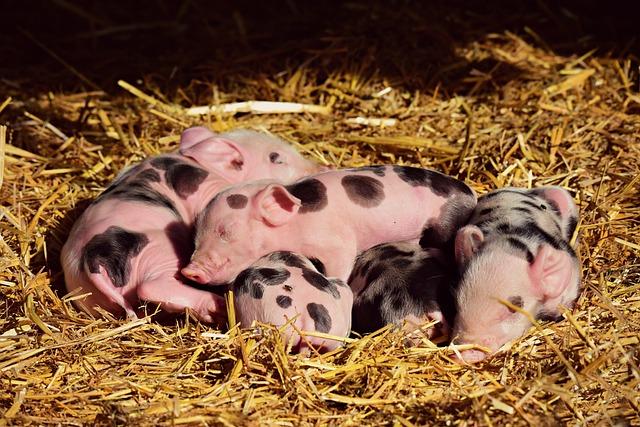
In a world where animal behavior remains a captivating enigma, we delve into the fascinating realm of dreams and ponder the age-old question - do pigs dream?
The Mysterious World of Animal Dreams: Unraveling the Enigma of Pigs’ Sleep Patterns
<p>In the <a href="https://worldofspiritualism.com/dreams/what-is-epic-dreaming-journey-into-epic-dreams/" title="What Is Epic Dreaming? Journey into Epic Dreams">awe-inspiring realm</a> of animal behavior, few subjects captivate our imagination like the enigma of dreams. While dreams have long fascinated humans, it turns out that pigs, the often-underestimated dwellers of barnyards, might hold a key to unlocking the secrets of animal dreams.</p>
<p>Scientists have observed some intriguing patterns in pigs' sleep behavior that suggest they may indeed dream. These intelligent and social creatures, known for their curiosity and playful nature, exhibit similar sleep phases as humans, <a href="https://worldofspiritualism.com/dreams/dogs-and-dreams-can-they-have-wet-dreams/" title="Dogs and Dreams: Can They Have Wet Dreams?">including <a href="https://worldofspiritualism.com/nofap/erectile-dysfunction/the-shocking-link-between-sleep-deprivation-and-erectile-dysfunction/" title="The Shocking Link Between Sleep Deprivation and Erectile Dysfunction">rapid eye movement</a></a> (REM) sleep. During REM sleep, pigs often twitch their whiskers, wiggle their ears, and display subtle muscular movements, creating a strong argument that they could be dreaming.</p>
<p>While the precise content of their dreams remains an enigma, researchers believe that pigs could potentially dream about their social interactions, foraging for food, and even their instinctual behaviors. The fact that pigs possess complex cognitive abilities and emotional consciousness further supports the possibility of their engaging dream states.</p>
<ul>
    <li><b>Did You Know?</b> Pigs are voracious learners, capable of being trained to perform complex tasks and tricks, enhancing their brain's potential for rich and vivid dreaming experiences.</li>
    <li><b>Fascinating Connections:</b> It is fascinating to note that other animals, such as dogs, elephants, and birds, also exhibit similar sleep patterns and REM sleep, offering a glimpse into the widespread phenomenon of animal dreaming across the animal kingdom.</li>
    <li><b>Unveiling the Secrets:</b> As our understanding of animal behavior and cognition continues to evolve, unraveling the mysteries of animal dreams could provide valuable insights into their emotional lives, mental well-being, and perhaps even our own understanding of dreams.</li>
</ul>
Deciphering Animal Behavior: The Science Behind Pig Dreaming
Have you ever wondered if animals dream, just like humans do? When it comes to pigs, this question sparks curiosity among scientists and animal behavior enthusiasts alike. Pigs are highly intelligent creatures, and their prowess in problem-solving often leaves us with more questions about the fascinating realm of their unconscious minds.
Researchers have delved into the mysterious world of pig dreaming to uncover the science behind it. While it may seem peculiar at first, studies reveal the remarkable similarities in sleep patterns between pigs and humans. Both species experience rapid eye movement (REM) sleep, which is associated with dreaming. During this phase, the pig’s brain activity closely resembles that of a human, making it highly likely that they too dive into a subconscious world of their own.
So, what do pigs dream about?
- Snoutfuls of scrumptious treats: Just like our dreams often revolve around things we desire, it’s believed that pigs envision delicious morsels during their slumber. Their food-centric nature may influence their dreams, turning their sleep into a mouthwatering experience.
- An odyssey in the mud: Pigs are notorious for their love of wallowing in mud, which keeps them cool and helps fend off parasites. It’s possible that their dreams take them on muddy adventures, letting them relish in the joy of rolling around in the slop.
- Rooting and exploring: Pigs are natural foragers, their sensitive snouts always sniffing out new discoveries. Dreaming may trigger an exploration mode in their minds, allowing them to sniff, dig, and uncover hidden treasures during their dreamtime.
While we can only speculate on the precise content of pig dreams, there is no denying that they serve as a means for pigs to process information and experiences from their waking lives. These dreams may play a vital role in consolidating memories and strengthening cognitive abilities, reaffirming the complex nature of animal behavior.

Identifying Pig Dreams: An Exploration into the Similarities and Differences with Human Dreams
As humans, dreams have always fascinated us. They provide us with an escape into a surreal world, often leaving us pondering their meaning upon waking. But have you ever wondered if animals, specifically pigs, share the same mysterious nighttime experiences?
In this exploration, we delve into the realm of pig dreams, seeking to uncover the similarities and differences they may hold with human dreams. While we cannot directly communicate with pigs to gain insight into their dreamscapes, fascinating research has shed light on some intriguing aspects.
Similarities:
- Pig dreams, like human dreams, are believed to occur during the REM (Rapid Eye Movement) stage of sleep.
- Both humans and pigs often exhibit muscle twitches and movements during their dreams, indicating an active internal experience.
- Like us, pigs may relive familiar experiences or memories in their dreams, suggesting a connection between their waking and sleeping realities.
Differences:
- Pig dreams are likely centered around their unique sensory experiences and instincts, such as foraging and rooting.
- While humans may have complex and abstract dreams filled with symbolism, pigs are more likely to dream about concrete elements from their daily lives.
- Pigs being prey animals, their dreams might be influenced by an inherent need for survival, potentially involving scenarios centered around predators or danger.
While our understanding of pig dreams is still in its infancy, this exploration highlights the intriguing parallels and disparities between the dreamscapes of humans and our porcine counterparts. Understanding these parallels deepens our appreciation for the rich and diverse world of animal behavior, offering us a glimpse into the fascinating realm of dreams beyond our own.
The Role of REM Sleep: Unveiling the Importance of Dreaming in Pigs’ Lives
When we think of dreaming, it’s often humans that come to mind. However, did you know that pigs also experience dreams? These intelligent creatures have a remarkable sleep cycle that includes an important stage called REM sleep, which is closely tied to the fascinating world of dreaming.
During REM sleep, pigs exhibit a range of behaviors that indicate dreaming, much like humans do. Their eyes flutter beneath their closed lids, and their limbs may twitch or move as if in response to imagined scenarios. It’s believed that these movements are linked to the vivid dreams they are experiencing in their minds.
Scientists have discovered that the role of REM sleep in pigs goes beyond just having whimsical dreams. It plays a crucial role in their cognitive development and overall well-being. This stage of sleep is essential for memory consolidation, learning, and emotional regulation. Pigs need adequate amounts of REM sleep to maintain a healthy brain and mental state, just as humans do.
- REM sleep allows pigs to process and store information gained during their waking hours, enhancing their ability to learn and adapt to their environment.
- It strengthens their emotional resilience, helping them cope with stress and challenging situations.
- REM sleep helps regulate their mood, allowing them to experience positive emotions and maintain a healthy balance.
- Additionally, it may serve as a form of mental stimulation and entertainment, adding a touch of excitement to their lives.
As we delve deeper into the study of animal behavior, we uncover more of the mysteries behind pig’s dreams. Understanding the role of REM sleep in their lives might not only provide us with insights into their mental capabilities but also raise questions about the universality of dreaming across species. So, next time you see a pig snoozing away, remember that they too are embarking on their own imaginative adventures during REM sleep.

Understanding the Emotional Significance of Dreams in Pigs: Implications for Animal Welfare
The world of animal behavior is a fascinating one, filled with intricate complexities that often elude our understanding. Among the various realms of animal behavior, dreams hold a special place, sparking curiosity and wonder. In this post, we delve into the enigmatic realm of pig dreams, seeking to decipher the emotional significance they hold and shedding light on the implications for animal welfare.
Dreams in pigs have long been a subject of intrigue, leaving scientists and researchers pondering their purpose and impact on pig welfare. Recent studies have shown that pigs possess a remarkable ability to experience dreams, much like their human counterparts. These dreams serve as a window into the inner lives of these intelligent creatures, bestowing upon them a rich emotional landscape that demands our attention.
Understanding the emotional significance of dreams in pigs is paramount for animal welfare. Pigs, known for their social nature and high cognitive abilities, are profoundly affected by their dreams. These nocturnal reveries play a crucial role in their emotional well-being, contributing to their overall health and happiness. By unraveling the mysteries of pig dreams, we can gain invaluable insights into their emotional states, enabling us to create better living conditions and fostering a deeper connection with these remarkable animals.
Through dedicated research, we aim to uncover the hidden depths of pig dreams, unlocking the portals to their emotional worlds. In doing so, we can advocate for improved animal welfare, designing environments and practices that prioritize not only their physical needs but also their mental and emotional ones. So, let us embark on this enlightening journey, as we unravel the intricate tapestry of pig dreams and strive for a deeper understanding of their emotional significance.
Bridging the Gap: Applying Knowledge about Pig Dreams to Improve Animal Husbandry Practices
In the realm of animal behavior, one intriguing question has captured the curiosity of researchers and farmers alike: do pigs dream? This enigmatic query has spurred a wave of scientific studies and observations, revealing fascinating insights into the inner lives of these intelligent creatures. Understanding the significance of pig dreams not only enriches our knowledge of their cognitive abilities but also presents an opportunity to revolutionize animal husbandry practices and welfare.
Research has shown that pigs indeed experience a dream-like state during their sleep, similar to humans. This phenomenon, characterized by rapid eye movement (REM) sleep, offers immense potential for improving animal husbandry practices. Just like humans, pigs exhibit various behaviors and physiological reactions during REM sleep, such as twitching, vocalizing, and changes in heart rate. By identifying these patterns and decoding their dream content, we can better comprehend the emotional and mental well-being of pigs, aiding in their care and breeding.
This newfound understanding of pig dreams can have groundbreaking implications for animal welfare. By recognizing the importance of REM sleep for pigs, farmers can provide them with optimal sleeping environments, minimizing disturbances and ensuring quality rest. Additionally, with the knowledge of what pigs dream about, key insights can be gained into their psychological needs and preferences. This information can guide the design of enriching environments and appropriate social interactions, leading to happier and healthier pigs in our husbandry practices.

Reframing Our Perception: Recognizing the Complexity of Animal Consciousness
In a world where animals are often treated as mere commodities, it becomes imperative for us to delve deeper into their consciousness. Understanding animal behavior is the first step towards reshaping our perception and recognizing their remarkable complexity. Have you ever wondered if pigs dream? Or if cows have a sense of self? These questions, once brushed aside as trivial, are now gaining attention from researchers and animal enthusiasts alike.
Animals, contrary to popular belief, exhibit a wide range of emotions and possess intricate cognitive abilities. Here are some fascinating aspects of animal behavior that challenge our preconceived notions:
- Social bonds: Animals, like us, form deep social connections. Elephants mourn their deceased companions, wolves demonstrate loyalty within their packs, and dolphins display intricate communication skills within their pods.
- Creative problem-solving: From using tools to solve puzzles, animals constantly surprise us with their intelligence. Octopuses, for example, are masterful escape artists, while chimpanzees exhibit advanced problem-solving skills when foraging for food.
- Empathy and altruism: Greediness might be a human trait, but animals often display empathy and altruistic behaviors. Dogs will comfort their distressed owners, while vampire bats share their meals with less fortunate colony members. These acts of kindness demonstrate a profound level of emotional intelligence.
By exploring the nuances of animal consciousness and behavior, we begin to appreciate the intricate lives that exist beside us. Embracing this understanding enables us to advocate for their welfare and challenge the status quo. So, next time you gaze into the eyes of a pig, remember to ask yourself, “Do pigs dream?” The answer might just reshape the way we perceive and respect the animal kingdom.
In conclusion, exploring the dreaming habits of pigs has given us a fascinating insight into animal behavior. From their REM sleep patterns to neural activity, pigs show evidence of dreaming, resembling the experiences of humans. Understanding animal dreams not only deepens our connection with these creatures but also highlights the complex world that exists beyond our own. Let’s continue to unveil the mysteries of the animal kingdom, one dream at a time!
Get our latest guides, news, and insights highlighted in your Google Search & AI Overviews.