
Have you ever tried running in your dreams but found yourself stuck in slow motion? Join us as we unravel the perplexing mystery of why running remains an elusive feat in the realm of dreams.
<img class=”kimage_class” src=”https://worldofspiritualism.com/wp-content/uploads/2023/10/g0d6d565872d521228f519395930477db235ed2a1c6c58ceca4e4da2d4f21891ab2477bdcd3410b3718770be2f0ed4e1b4542e9b95909d48b7719545bdb22443e_640.jpg” alt=”The Running Paradox: The Elusive Feeling of “Running” in Dreams”>
The Running Paradox: The Elusive Feeling of “Running” in Dreams
Have you ever experienced the frustrating paradox of trying to run in your dreams, only to be met with sluggish movements or an inability to move at all? It seems that no matter how much effort you put into pumping your legs and propelling yourself forward, you are stuck in slow motion or glued to the ground. This phenomenon, known as the “Running Paradox,” has puzzled scientists and dream enthusiasts for years.
One theory suggests that the inability to run in dreams stems from the brain’s attempt to protect us from potential harm. While we sleep, our body enters a state of paralysis known as REM atonia, which prevents us from acting out our dreams physically. This protective mechanism helps us avoid any dangerous situations our dreams may conjure up, whether it’s running off a cliff or encountering a threatening presence.
Interestingly, dreams often mirror our waking experiences, including our physical abilities. If we rarely engage in physical activities like running, it may be more difficult for our brains to recreate the sensation of running in dreams. Additionally, dreams rely heavily on our memories and perceptions. If you have a vivid memory of feeling clumsy or ineffective while running in real life, the same limitations may carry over into your dream state.
While the “Running Paradox” may frustrate and confuse us, it also highlights the remarkable complexity of our dreams and the intricate workings of our minds. So next time you find yourself unable to run in a dream, remember that your brain is safeguarding you from harm and exploring the boundaries of your reality in its own enigmatic way.
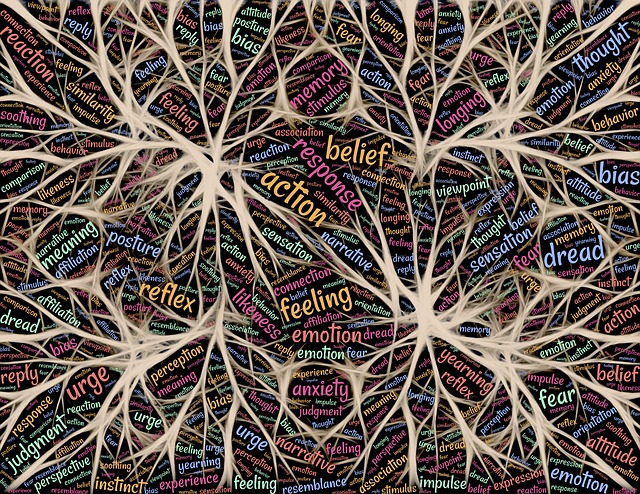
The Neuroscience Behind Dreams: Unraveling the Mystery of Physical Limitations
Have you ever wondered why you can’t seem to run fast enough in your dreams, no matter how hard you try? It’s a peculiar phenomenon that has intrigued both scientists and dreamers alike. Delving into the realm of neuroscience, we can begin to unravel the mystery behind this physical limitation, shedding light on the fascinating world of dreams.
1. The Role of the Motor Cortex: The motor cortex, a crucial region of our brain responsible for initiating and controlling voluntary movements, plays a significant role in our ability to run. However, during rapid eye movement (REM) sleep – the phase where most dreams occur - this region is largely inhibited or deactivated. Consequently, the signals from the brain to the muscles are disrupted, resulting in the feeling of running in slow motion or being unable to generate the necessary speed.
2. The Influence of the Limbic System: Another key player in our dream experiences is the limbic system, which regulates emotions and memories. This intricate network interacts with the motor cortex, often influencing the content and realism of our dreams. It is believed that emotional factors, such as anxiety or fear, can further impede our ability to run in dreams. The limbic system may engage in a dance with the motor cortex, limiting the dreamer’s potential to sprint freely.
As the enigmatic nature of dreams continues to captivate us, the neuroscience behind these physical limitations adds a new layer of understanding to our nocturnal adventures. Exploring how different brain regions interact and affect our dream experiences can provide valuable insights into the relationship between the mind and the inner world of dreams.

The Benefits of Dream Running: Exploring the Mental and Emotional Aspects
Running is a universally loved activity, providing a sense of freedom and accomplishment. However, when it comes to dreaming, the experience of running can be quite perplexing. Many of us face the running dilemma, where running in dreams seems nearly impossible. But why is this the case? Let’s delve into the fascinating world of dream running and uncover its mental and emotional aspects.
1. Enhanced Emotional Resilience: Dream running allows us to push our limits and overcome obstacles that may seem insurmountable in reality. This translates into improved emotional resilience, as we learn to face challenges head-on and believe in our ability to conquer them. It’s almost as if dream running serves as a training ground for our emotions, preparing us to navigate the complexities of life with a sense of determination and persistence.
2. Mental Clarity and Problem-Solving: Engaging in dream running can have a profound impact on our mental clarity and problem-solving skills. As we run in our dreams, our minds enter a state of heightened focus and concentration, enabling us to process information more efficiently and make quick decisions. This enhanced mental agility carries over into our waking lives, allowing us to approach challenges and solve problems with a renewed sense of clarity and resourcefulness.
3. Catharsis and Emotional Release: Dream running offers a unique form of catharsis, providing an outlet for pent-up emotions and stress. As we propel ourselves forward in our dream-run, we let go of burdens and anxieties, experiencing a release within our subconscious minds. This cathartic process not only frees us from emotional baggage but also creates space for positivity and optimism to flourish in our waking lives.
In conclusion, dream running may present a perplexing dilemma, but its benefits for our mental and emotional well-being are undeniable. From enhanced emotional resilience to improved problem-solving abilities and catharsis, exploring the world of dream running can offer profound insights into the complexities of the human mind and spirit. So, next time you find yourself unable to run in your dreams, remember that there is a vast landscape of mental and emotional exploration waiting for you to discover.
Overcoming Dream Running Challenges: Techniques for Achieving the Unattainable
Have you ever experienced the frustration of trying to run in your dreams, only to find yourself stuck in slow motion or unable to move altogether? You are not alone! Many people encounter the running dilemma in their dream world, unable to achieve the same effortless motion they do in waking life. But fear not, for we are here to explore the techniques that can help you overcome this dream running challenge and unlock your full running potential in the unconscious realm.
1. Mindful visualization: Before going to bed, spend a few moments visualizing yourself running effortlessly and gracefully in your dreams. Imagine the sensation of freedom as you glide through the dream landscape, focusing on the joy and ease of movement. Visualizing positive outcomes can have a powerful influence on your dream state, enabling you to recreate the same sensation when you run in your dreams.
2. Lucid dreaming: Lucid dreaming is the practice of becoming aware that you are dreaming while still in the dream state. By honing this skill, you can actively control your dreams and the actions within them. To enhance your ability to run in your dreams, practice reality checks throughout the day, such as asking yourself if you are dreaming and performing simple actions to test your reality. This habit will transfer to your dream world, increasing the likelihood of realizing you are dreaming and gaining control over your running abilities.
3. Embracing the dream environment: Instead of resisting the limitations imposed on your running abilities in dreams, try embracing the unique characteristics of the dream environment. Experiment with alternative modes of transportation, such as flying or using superhuman abilities to navigate through the dream world. By adapting to the dream landscape rather than fighting against it, you may discover new and exhilarating ways to move effortlessly.
By applying these techniques, you can gradually overcome the running dilemma and tap into the vast potential of your dream running capabilities. Remember, dreams offer an open canvas for exploration, allowing you to achieve the unattainable and experience the extraordinary. So lace up your dream sneakers, set your intentions, and let your running dreams take flight!

Unlocking the Potential: Lucid Dreaming as a Key to Successful Dream Running
Have you ever experienced the frustrating feeling of desperately trying to run in a dream, only to find yourself moving in slow motion or unable to move at all? If so, you’re not alone. It’s a common phenomenon known as the “running dilemma” and it can leave even the most avid runners feeling disheartened. But what if there was a way to break free from the constraints of dream running and unlock a world of endless possibilities? Enter lucid dreaming.
Lucid dreaming is a state in which you become aware that you are dreaming and can then fully control and manipulate the dream environment. By achieving lucidity during your dreams, you can tap into your subconscious mind and gain the ability to run with unmatched agility and speed, unhindered by the limitations of the physical world.
Here’s how lucid dreaming can turn the running dilemma on its head:
- Conquer the laws of physics: In a lucid dream, the laws of physics are at your disposal. You can effortlessly defy gravity, bound through the air, or sprint at the speed of light. Imagine the exhilaration of effortlessly gliding through a dream landscape, feeling the wind on your face as you reach new speeds.
- Exploration and adventure: Lucid dreaming opens up a realm of limitless possibilities for dream running. You can explore surreal landscapes, dash through fantastical cities or even race alongside mythical creatures. The only limit is your imagination.
- Personal growth and self-improvement: Lucid dreaming can also be a powerful tool for personal growth. By visualizing and practicing your running technique in a lucid dream, you can enhance your real-life athletic performance. Through dream running, you can push past mental barriers and improve your stamina, endurance, and speed.
So, if you’ve ever felt frustrated by the running dilemma in your dreams, consider unlocking the potential of lucid dreaming. With this extraordinary ability, you can transform your dream running experience into a thrilling adventure that knows no bounds.

Embracing Otherworldly Experiences: Finding Serenity in the Inability to Run in Dreams
Have you ever experienced the frustration of trying to run in a dream, only to find your legs heavy and unresponsive? The inability to run in dreams is a perplexing phenomenon that has been puzzling dreamers for centuries. While it can be frustrating, there is a certain serenity that can be found in embracing this otherworldly experience.
Embracing the inability to run in dreams allows us to delve into the depths of our subconscious mind, where symbolism and hidden meanings reside. Instead of resisting and struggling against the weight of our dream legs, we can choose to surrender to the unique experience and explore its significance.
Here are a few reasons why the inability to run in dreams should be embraced:
- Symbols of restraint: In dreams, our physical abilities often become symbolic representations of our emotional or mental state. By being unable to run, our dream selves may be trying to convey a sense of restraint or limitation we might be feeling in our waking lives. Exploring these symbols can provide valuable insights into our inner struggles and help us find ways to overcome them.
- Opportunity for reflection: The inability to run in dreams forces us to slow down and reevaluate our surroundings. It allows us to observe the dream world with a sense of mindfulness, paying attention to the details that often go unnoticed. This can lead to moments of clarity and self-reflection, enabling us to gain a deeper understanding of ourselves.
- Unleashing creativity: Instead of focusing on our physical limitations, embracing the inability to run in dreams can open up a world of imaginative possibilities. We can choose to harness this unique experience and transform it into a creative outlet. Whether through art, writing, or simply contemplating the enigmatic nature of dreams, the inability to run can inspire a sense of wonder and ignite our creative spirit.
Next time you find yourself yearning for the ability to run in dreams, consider embracing the experience. By surrendering to the symbolic messages and taking advantage of the reflective opportunities it offers, you might find serenity in the unusual, ultimately leading to a deeper understanding of your subconscious self.
In conclusion, dreams withhold the elusive nature of running, as the mind’s attempt to replicate the physical experience cannot fully match reality. So, cherish your running sessions in the waking world, for dream running remains a tantalizing enigma.
Get our latest guides, news, and insights highlighted in your Google Search & AI Overviews.