Unlock the enigmatic realm of dreams with our guide on writing captivating dream sequences in scripts. Dive into the infinite possibilities of scriptwriting sorcery!
Introducing the Art of Crafting Compelling Dream Sequences
Unlock your imagination and transport your audience into mesmerizing dreamscapes with the art of crafting compelling dream sequences. Dream sequences in scripts have the power to bridge reality and fantasy, allowing characters to delve into their subconscious minds and explore hidden truths. Through careful planning and skillful execution, these ethereal moments can become the highlight of your script. Let’s dive into the enchanting world of writing dream sequences and learn the key elements to make them truly magical.
1. Surreal Visuals:
In dreams, reality bends and morphs, offering endless possibilities for captivating visuals. Embrace vivid and surreal imagery that defies logic, using bold and descriptive language to paint a cinematic picture in the reader’s mind. Allow your characters to traverse fascinating landscapes, encounter fantastical creatures, or witness bizarre occurrences. Remember, in dreams, anything is possible.
2. Emotional Impact:
While dreams might seem detached from reality, they hold a profound emotional weight. Use dream sequences to tap into your characters’ deepest desires, fears, or unresolved conflicts. Explore their subconscious motives and showcase their vulnerabilities. Through the emotional journey within a dream, you can add layers of complexity and forge a stronger connection between the audience and your characters.
3. Symbolism and Foreshadowing:
A dream sequence can be much more than a mere fantasy. It can serve as a powerful tool for symbolism and foreshadowing, hinting at future events or revealing hidden truths. Incorporate symbols, metaphors, and recurring motifs that hold significance to your story. These subtle hints will ignite curiosity and keep your audience engaged, eagerly anticipating the unfolding narrative.
With these key elements in mind, embrace the limitless possibilities of dream sequences and let your creativity soar. Utilize vivid visuals, emotional depth, and symbolic undertones to create a script that enthralls and captivates. So, step into the realm of scriptwriting magic and transport your viewers to a world where dreams come alive!

Understanding the Purpose and Function of Dream Sequences in a Script
Dream sequences in a script have the power to transport audiences into a realm of symbolism, subconscious desires, and even alternative realities. These surreal moments serve a vital purpose in storytelling, allowing creators to explore the depths of their characters’ minds and emotions. To effectively write a dream sequence, one must embrace the magic of scriptwriting, utilizing specific techniques that mesmerize and captivate the audience.
Dive into the character’s psyche: A dream sequence is a fantastic opportunity to delve into the innermost thoughts and fears of your character. Use vivid and descriptive language to depict their subconscious world, and allow their emotions to drive the narrative. Highlight their desires, conflicts, or unresolved issues through symbolic imagery and metaphorical events.
Blur the lines between reality and fantasy: Dream sequences provide a unique platform to challenge the boundaries of what is real and what is imagined. Incorporate elements that defy logic and bend the rules of physics. By blurring these lines, you can create an otherworldly experience that heightens the drama and intrigue, leaving the audience questioning what is real and what is mere illusion.
- Utilize visual and sonic cues: In a dream sequence, words alone are not enough to fully convey the ethereal atmosphere. Embrace the power of visual and sonic cues to enhance the impact of the scene. Experiment with camera angles, lighting, and sound design to create a dreamlike ambiance. Consider using slow-motion, soft focus, or surreal colors to distinguish the dream sequence from the rest of the script.
Remember, dream sequences hold immense potential to captivate and emotionally resonate with your audience. Harness the magic of scriptwriting by daring to explore the profound depths of your characters’ minds and utilizing creative techniques to transport viewers into a realm of wonder and fascination. Unleash your imagination and embrace the enchantment of the dream sequence!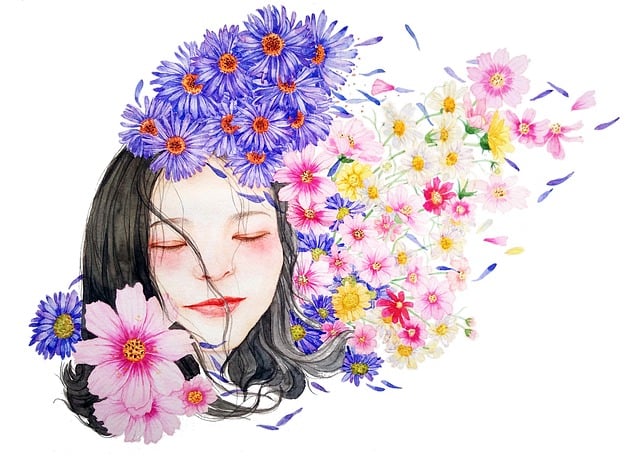
Mastering the Techniques to Portray Dream Sequences Authentically
Creating dream sequences in a script can transport your audience to a whole new realm of imagination. With the right techniques, you can effectively convey the ethereal and surreal elements of dreams, leaving a lasting impact on viewers. So, let’s dive into the world of scriptwriting magic and explore how to master the art of crafting dream sequences authentically.
1. Visual Symbolism: Painting with Words
In dreams, symbols often possess profound meaning and carry emotional weight. One way to portray dream sequences authentically is by using visual symbolism in your script. Consider incorporating elements like recurring motifs, metaphors, or surreal imagery that evoke the dream-like quality you wish to achieve. By painting vivid pictures with your words, you can fully immerse the audience in the character’s subconscious reality.
2. Disrupted Logic: Embrace the Unusual
Dreams often defy the conventional rules of reality, introducing unexpected occurrences and irrational sequences. Embrace the non-linear nature of dreams by providing a sense of disrupted logic in your script. This could involve sudden shifts in time, location, or even character identities. By challenging the audience’s expectations and embracing the unusual, you can capture the elusive essence of dreams.
3. Emotions in Overdrive: Amplify the Feelings
Dreams often magnify emotions, intensifying the character’s fears, desires, or vulnerabilities. To convey this heightened emotional state, focus on amplifying the feelings portrayed in the dream sequence. Utilize evocative language, descriptive adjectives, and poetic dialogue to capture the raw intensity experienced within dreams. By immersing your audience in these emotional landscapes, you can create a powerful connection between the dreamer and the viewer.
requires a delicate balance of visual symbolism, disrupted logic, and amplified emotions. Let your creativity soar as you transport your viewers into a mesmerizing subconscious realm, making your script truly enchanting and unforgettable.
Designing Captivating Visual and Auditory Elements for Dream Sequences
Dream sequences are an essential tool in scriptwriting, allowing the audience to delve into the depths of a character’s subconscious mind. To bring these enchanting visions to life, it is crucial to design captivating visual and auditory elements that transport viewers into a world where reality intertwines with fantasy.
One key aspect of designing visually compelling dream sequences is selecting a color palette that sets the mood and enhances the surreal atmosphere. Consider using vibrant and surreal colors to create a visually striking contrast between the real world and the dream world. Experiment with filters or lighting techniques to give a dreamlike quality to the visuals, blurring the line between fantasy and reality.
In addition to captivating visuals, auditory elements play a crucial role in bringing dreams to life. Explore a range of sounds and music that evoke emotions and enhance the dreamlike quality of the scene. From whispers and echoes to haunting melodies, the audio can create a sense of disorientation and mystery, further immersing the audience in the character’s subconscious realm.
Remember, the key to crafting captivating dream sequences lies in the ability to blur the boundaries between the real and the imagined. By carefully selecting visually stunning elements and creating a mesmerizing soundscape, you can weave an enchanting tapestry that will leave your audience spellbound. So let your imagination soar and unlock the scriptwriting magic of dream sequences!
Creating Engaging Characters and Dialogues Within Dream Sequences
Dream sequences can be a powerful tool for scriptwriters to explore the depths of their characters’ minds and emotions. By delving into their dreams, we can create engaging and captivating scenes that add depth and intrigue to our stories. But how do we write an effective dream sequence that truly captivates the reader? Here are a few tips to help you master the art of creating compelling characters and dialogues within dream sequences:
Embrace the symbolism: Dreams are inherently symbolic, so don’t be afraid to let your imagination run wild. Use vivid imagery and metaphors to convey the inner thoughts and conflicts of your characters. By infusing your dream sequences with symbolism, you can add layers of meaning that resonate with your audience long after the dream ends.
Focus on emotions: Dreams are often driven by emotions rather than logic. Use this to your advantage by emphasizing the emotional journey of your characters within their dreams. Whether it’s fear, joy, or longing, make sure the emotions are palpable and relatable to the readers. This will help them connect with your characters on a deeper level.
- Experiment with dialogue: Dialogues in dream sequences can be unconventional and surreal. Play around with the dialogue format to create a dreamlike atmosphere. Let your characters speak in riddles, engage in cryptic conversations, or even converse with objects or animals. The dialogue in dream sequences can be a vehicle for conveying hidden truths and insights that might be difficult to express in the waking world.
Remember, dream sequences hold immense potential for character development and storytelling. By incorporating rich symbolism, exploring deep emotions, and experimenting with dialogue, you can create dream sequences that leave your readers mesmerized and craving more. So, let your imagination soar and unlock the scriptwriting magic within dream sequences!
Crafting Smooth Transitions into and out of Dream Sequences
Dream sequences can be powerful tools in scriptwriting, allowing writers to delve into their characters’ subconscious minds and explore uncharted territories. However, can be a challenging endeavor. Fear not, fellow scriptwriters, for we are here to unveil the secrets of achieving scriptwriting magic when it comes to dream sequences!
Establish a clear distinction: To ensure your audience can distinguish between reality and the dream sequence, create a visual contrast. Consider utilizing unique lighting, color grading, or even a distinct sepia tone for dream sequences. This visual distinction will help immerse your viewers into the dream world while maintaining a clear boundary between reality and fantasy.
Utilize sound design: Enhance the audience’s experience by incorporating auditory cues that signal a transition. Experiment with subtle changes to the background score or sound effects, gradually intensifying or softening these elements as you transition into or out of dream sequences. By manipulating the audio environment, you can seamlessly guide your viewers into the realm of dreams and back again.
- Layer symbolism: Dream sequences provide an opportunity to weave symbolism into your script. Symbolic elements can help foreshadow events, delve into characters’ desires, or reflect their inner conflicts. By effectively incorporating symbolism, you not only heighten the emotional impact of your dream sequences but also establish a deeper connection between your characters and the audience.
With these insider tips, you are now on your way to mastering the art of writing dream sequences in your scripts. Remember to experiment, think outside the box, and let your creative juices flow to captivate your viewers and infuse your script with that touch of scriptwriting magic!
Enhancing the Emotional Impact of Dream Sequences through Symbolism
Dream sequences in scripts provide a unique opportunity to delve into the emotional depths of characters and their subconscious. By using symbolism effectively, writers can enhance the impact of these sequences and create a lasting impression on the audience. Symbolism adds layers of meaning and depth to the dreams, making them more relatable and powerful.
Choose significant symbols: Select symbols that have a deep connection to the character or the theme of the story. These symbols can be objects, animals, or even colors. For example, a red rose could symbolize love and passion, while a crow might represent impending doom or mystery. Use symbols that resonate with the emotions and conflicts present in the character’s journey.
Create visual motifs: To amplify the emotional impact, repeat symbols throughout the dream sequences. Visual motifs not only help establish a connection between the conscious and subconscious mind but also provide a visual anchor for the audience. For instance, if your character is struggling with loss, incorporate recurring images of a broken mirror or shattered glass into multiple dream sequences. This repetition will enhance the overall emotional impact.
- Use symbolism as a narrative device: Symbolism can serve as a powerful storytelling tool in dream sequences. Utilize symbols to foreshadow events, reveal hidden truths, or communicate character development. For example, a character dreaming of a raven with a broken wing could foreshadow a crucial loss or setback in their journey. By infusing symbolism purposefully into dream sequences, writers can create a heightened emotional experience for both characters and the audience.
Incorporating symbolism within dream sequences is a magical way to evoke strong emotions and leave a lasting impression on your audience. Remember, choose symbols wisely, create visual motifs, and use symbolism as a narrative device to enhance the emotional impact of your script. Dive into the depths of your characters’ dreams and unleash the immense power of scriptwriting magic.
Exploring Advanced Narrative Techniques for Dream Sequences
Dream sequences in scripts can be powerful tools for storytelling, allowing filmmakers to delve into the depths of a character’s subconscious and reveal hidden emotions or fears. But how can we make these sequences truly mesmerizing and memorable? In this post, we will explore some advanced narrative techniques that will take your dream sequences to the next level, leaving audiences captivated and in awe.
Use surreal imagery: Dreams are the perfect canvas to introduce surreal and fantastical elements. Incorporate symbols, metaphors, and visual motifs that symbolize the character’s internal struggles or desires. Whether it’s a floating elephant or a room filled with floating clocks, let your imagination run wild and create visuals that defy logic and reality.
Experiment with non-linear storytelling: Dreams often lack a concrete sense of time and space. Embrace this fluidity in your narrative by playing with the chronology of events or blurring the boundaries between dreams and reality. Jump between different moments or locations, creating an otherworldly and disorienting experience for your audience.
- Utilize sound and music: Sound and music play a crucial role in enhancing the emotional impact of dreams. Use ambient sounds, whispers, or distorted voices to create an eerie atmosphere. Experiment with diverse musical styles or employ silence to accentuate specific moments. The auditory experience should be as immersive and captivating as the visual aspects.
By incorporating these advanced narrative techniques, you can transform dream sequences into unforgettable moments of visual and emotional brilliance. Experiment, push the boundaries, and allow your creativity to flow freely. Embrace the magic of scriptwriting and bring your dreams to life on the big screen! Unlock the power of dreams in your script with these spellbinding tips! From vivid descriptions to haunting symbolism, let your imagination run wild and make your dream sequences truly enchanting. Ready to script your own dreamscape? Dive into the magic of scriptwriting today!
Get our latest guides, news, and insights highlighted in your Google Search & AI Overviews.